Coaches, Buses and Smaller Vehicles
Each vehicle comes with its driver from a licensed, insured partner operator. Full-size coaches come first. Choose a smaller type when the group is small or the streets are tight.
Start from the headcount
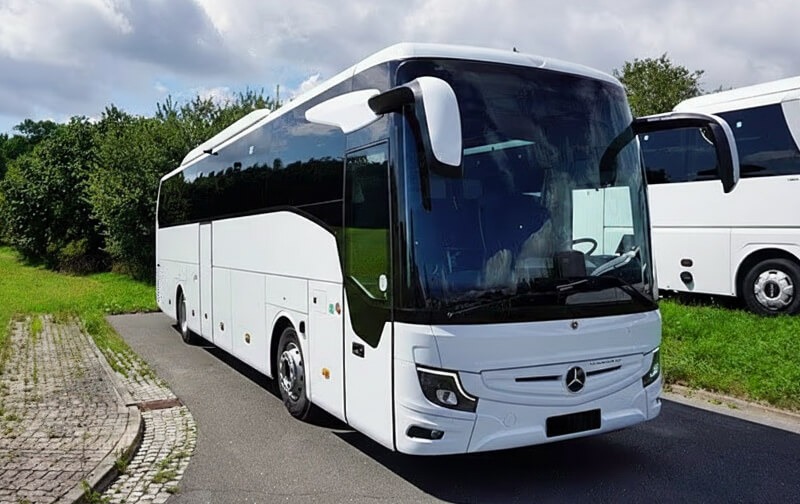
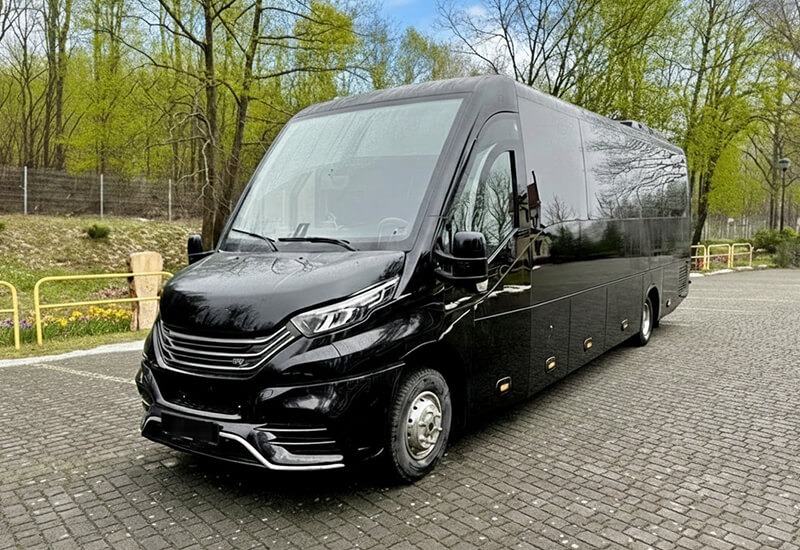
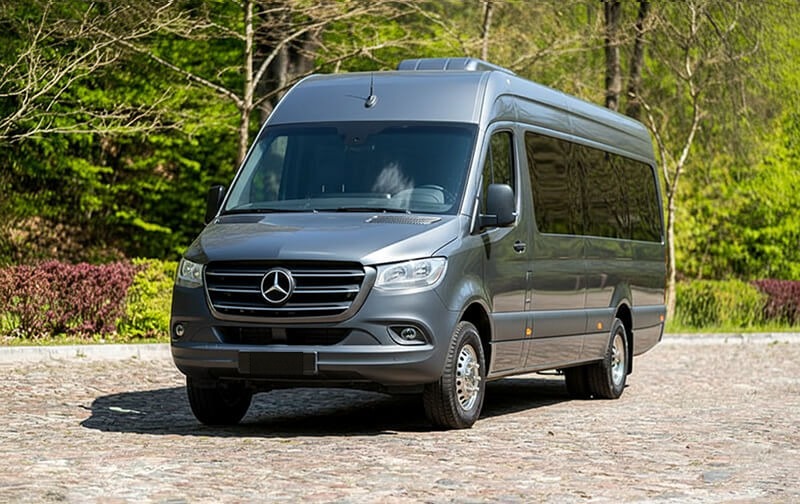
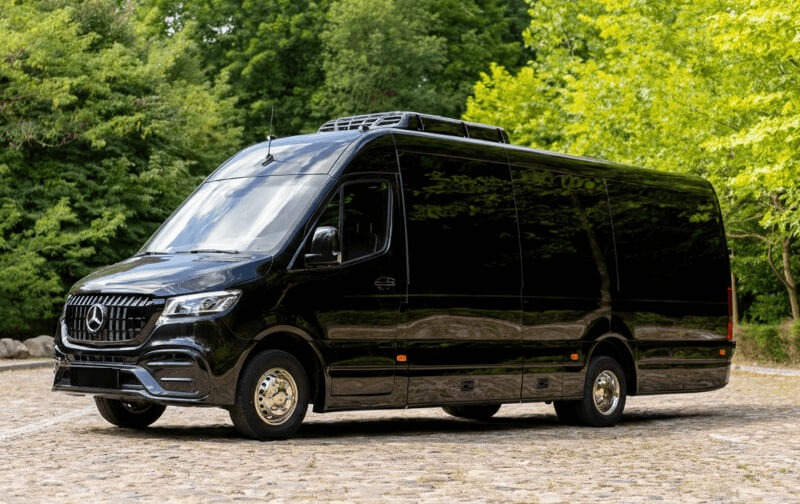
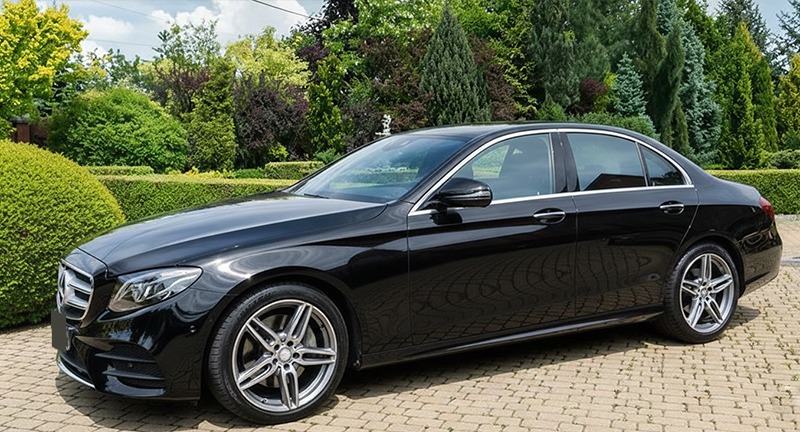
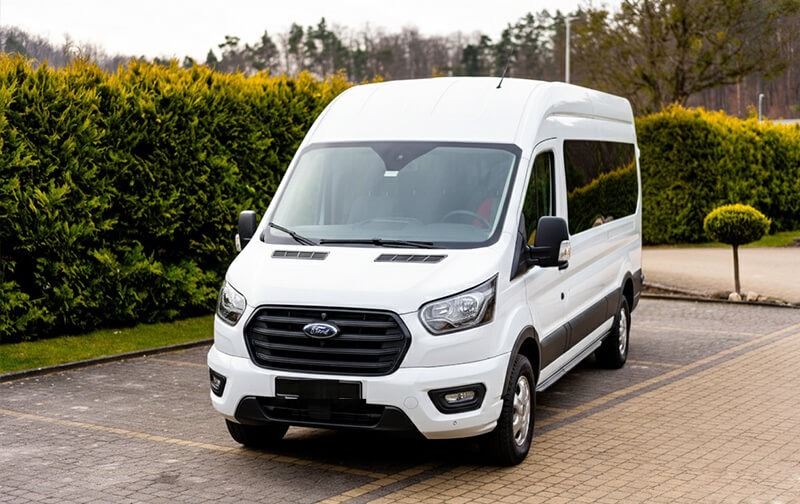
A full-size coach typically seats 49 to 81, with luggage in underfloor bays. A midi coach seats 29 to 35 and is easier in old town centres and at small venues. A minibus seats 16 to 19, an executive Sprinter 17 to 19 and an executive car 1 to 3.
Size changes the licence and the access
Above 24 passengers, the driver needs Ontario class C, or class 2 in BC, Alberta and Québec. In Ontario, anything built for 10 or more passengers is legally a bus, and its operator needs a CVOR certificate. Height limits bite too: RBC Place London's garage stops at 2.13 m.
Passengers who use wheelchairs
An accessible minibus has a lift or ramp and securement positions in place of some seats. Federal accessible-transport rules do not cover charters, so accessibility is arranged per booking. Tell us early and we ask operators for a suitable vehicle.
Questions
Can I pick the exact bus?
You choose the type. The vehicle itself depends on what the operator has free that day, and the quote names the type.
Do coaches have seat belts?
Highway coaches built on or after September 1, 2020 must have them; older ones may not. In Ontario, passengers must wear a belt where one is fitted.
What if we fall between two sizes?
Say so in the request. The quote names one plan: a large coach, or a smaller coach plus a Sprinter. Two vehicles can reach set-down points one coach cannot.
Pick a vehicle
- Full-size coach — 49-81 seats
- Midi coach — 29-35 seats
- Minibus — 16-19 seats
- Executive Sprinter van — 17-19 seats
- Executive car (sedan or SUV) — 1-3 seats
- Wheelchair-accessible minibus — Varies by layout; wheelchair positions replace seats
Not sure which size?
Send the headcount and the luggage and we will suggest a vehicle.
Request a quote or call +1 438 809 0370